
Harvard Business School
Master of Business Administration, providing the management, financial and institutional perspective that complemented Hubbard's computing and architecture background.

DCMA is shaped by a distributed leadership model spanning central banking, government, regulated finance, economics, technology, international standards and private-sector innovation.
DCMA is not organized around the conventional image of a centralized corporate management team. Its intellectual and institutional foundation has been shaped through engagement with central bankers, government leaders, commercial and retail banks, regulators, economists, technology and standards leaders, academics and private-sector participants. The mission is to develop monetary infrastructure capable of operating across sovereign financial systems while respecting the authority of the jurisdictions and institutions it connects.
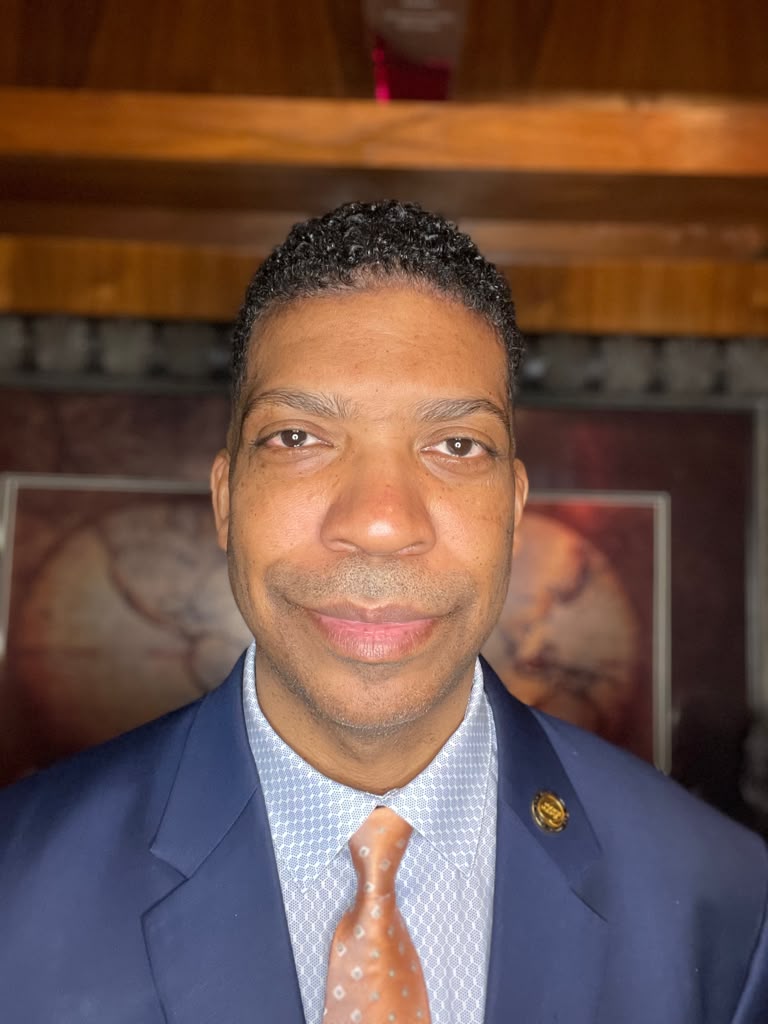
Darrell Hubbard founded and leads DCMA at the intersection of three disciplines that have defined his career in distributed computing, institutional standards and financial architecture.
His leadership of DCMA follows decades of work designing complex systems, participating in national and international technology standards, directing large-scale financial and communications technology initiatives, conducting European digital-currency research, and engaging governments, monetary authorities and financial institutions.
Hubbard's approach to DCMA was shaped at AT&T Bell Laboratories, where he worked within a Standards and Technology organization representing AT&T in national and international computing, communications and interoperability standards.
His Bell Laboratories work involved distributed computing, open systems and interoperability frameworks. He represented AT&T in standards initiatives involving NIST and ANSI, was nominated as a U.S. Expert within ANSI, and was elected as a chairperson within ISO for work involving transport-layer distributed computing and certification standards.
Global systems require common specifications, interoperability, certification, institutional consensus and the ability for independent participants to operate within a shared framework.
That standards discipline later became foundational to how DCMA governs and organizes DCMS and UMU through a common architecture that connects independent institutions without erasing their authority.
Computer science established the technical foundation. Harvard Business School added institutional strategy, finance and management. External academic recognition later reflected the career built from both.
Master of Business Administration, providing the management, financial and institutional perspective that complemented Hubbard's computing and architecture background.
Master of Science in Computer Science. In 2018, the Department of Computer Science inducted Hubbard into its Alumni Hall of Fame.
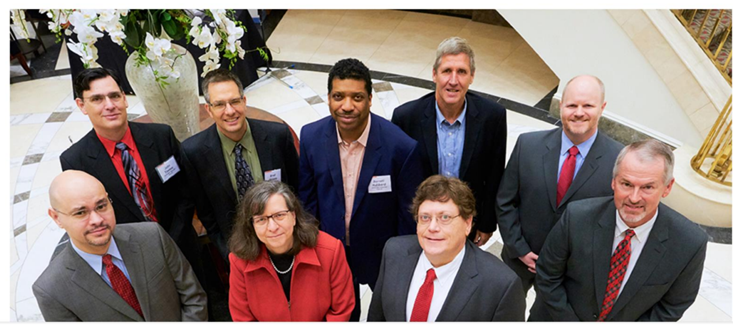

Recognition by the university's Computer Science department for distinguished professional contribution and impact.
DCMA's current architecture did not appear overnight. It is the result of successive research, implementation and architectural learning beginning with European Commission-supported digital-currency work in 2014.
Horizon-supported research explored sustainable blockchain currency, electronic cash, digital sovereignty and monetary models intended to expand economic participation.
European Commission feature ↗YETTA was featured in the global discussion around mission-driven blockchain, social impact, low-energy digital finance and sustainable monetary innovation.
World Economic Forum feature ↗Yubi Money operated over Ethereum and advanced the research into programmable monetary instruments and income-producing digital money.
TADS Awards results ↗DCMA evolved beyond dependence on an external public blockchain, developing the Digital Currency Monetary System and Unicoin Network as its own monetary infrastructure while evolving Yubi's monetary concept into Universal Monetary Unit.
Explore UMU →The TADS Awards recognition documents an important milestone in the innovation lineage that later evolved into UMU and the DCMS architecture.
DCMA's work has developed through engagement with central banks, governments, regulators, commercial financial institutions, technologists and policy communities across multiple jurisdictions.
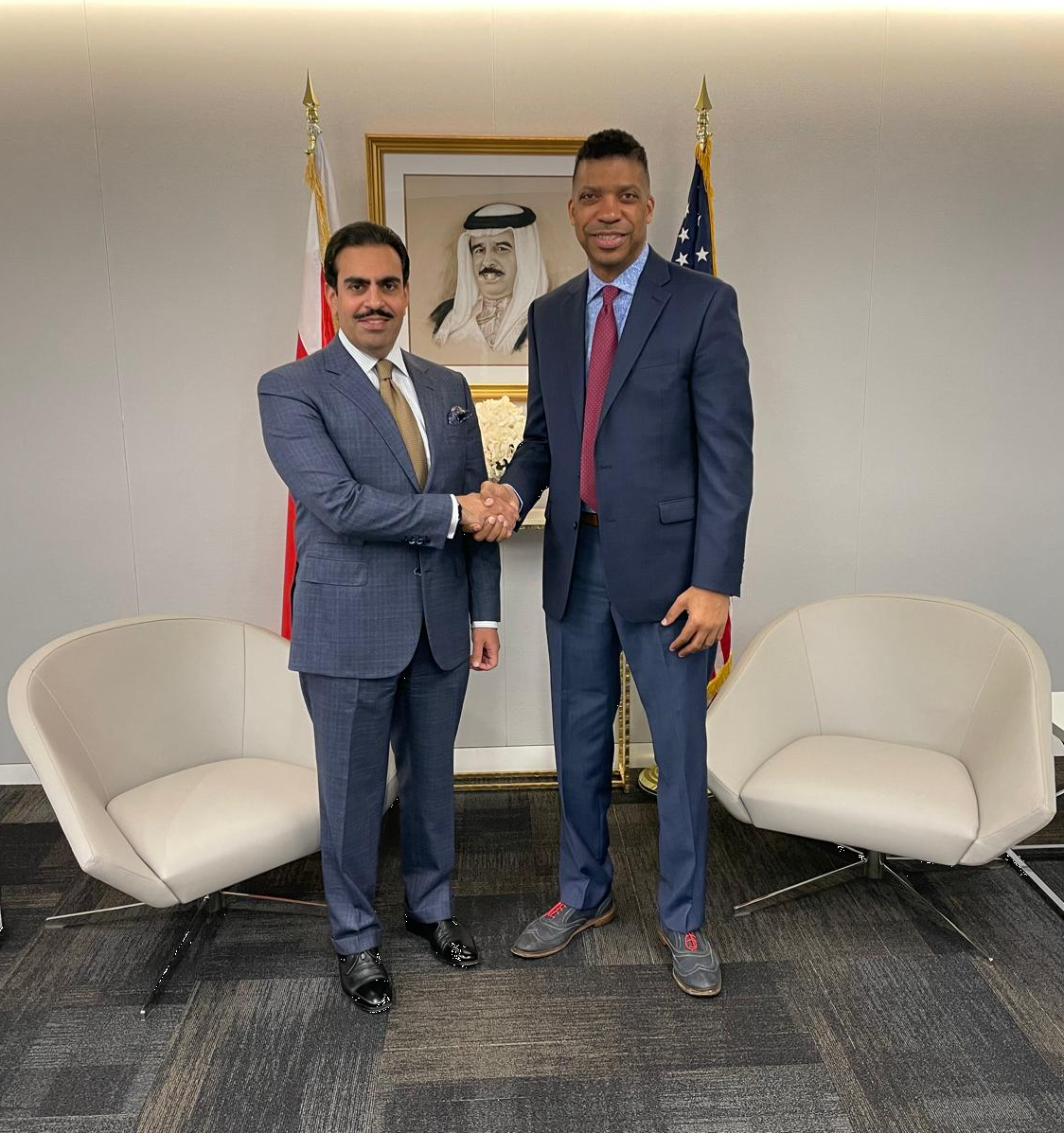
Meetings and engagement in Shanghai during the formative period of Hubbard's digital-currency work helped influence the transition from cryptocurrency experimentation toward sovereign-compatible monetary architecture.
Engagement with one of the world's leading financial and monetary innovation environments contributed to DCMA's focus on regulated institutional participation and cross-border interoperability.
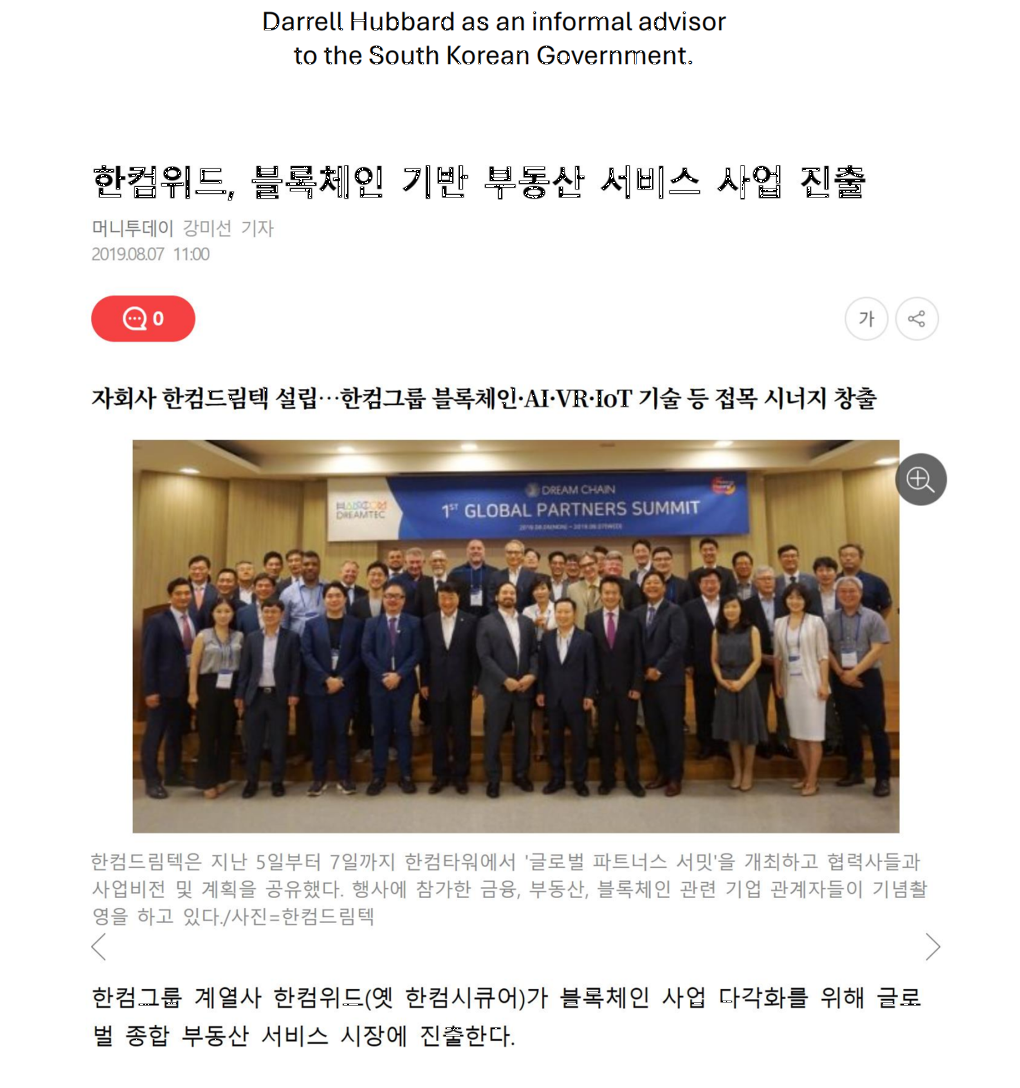
Government and private-sector engagement around blockchain, smart-city infrastructure and digital assets reinforced the need to connect technology innovation with public-sector and financial-system requirements.
Direct discussions with U.S. Treasury/OCC officials included DCMA and federal digital-assets policy, contributing another national-policy perspective to the architecture's development.
DCMA's collaborative model recognizes that monetary interoperability depends upon the institutions that actually intermediate money: central banks, global commercial banks, retail banks, payment providers, regulators and national financial authorities. DCMS is therefore designed for institutional participation rather than around a public-network-only model.
Hubbard has presented digital-currency and monetary-architecture ideas across government, academic and international financial settings, bringing technical architecture into direct conversation with policy and institutional audiences.
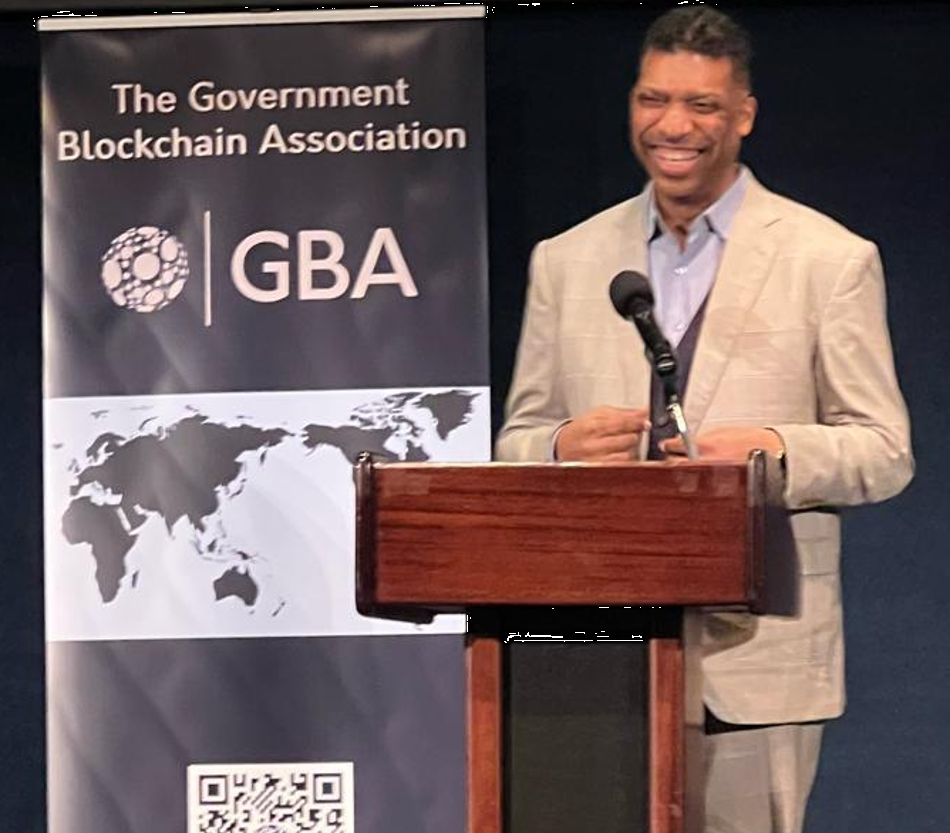
Invited academic presentation examining digital currency from technological, business, governance and monetary-system perspectives.
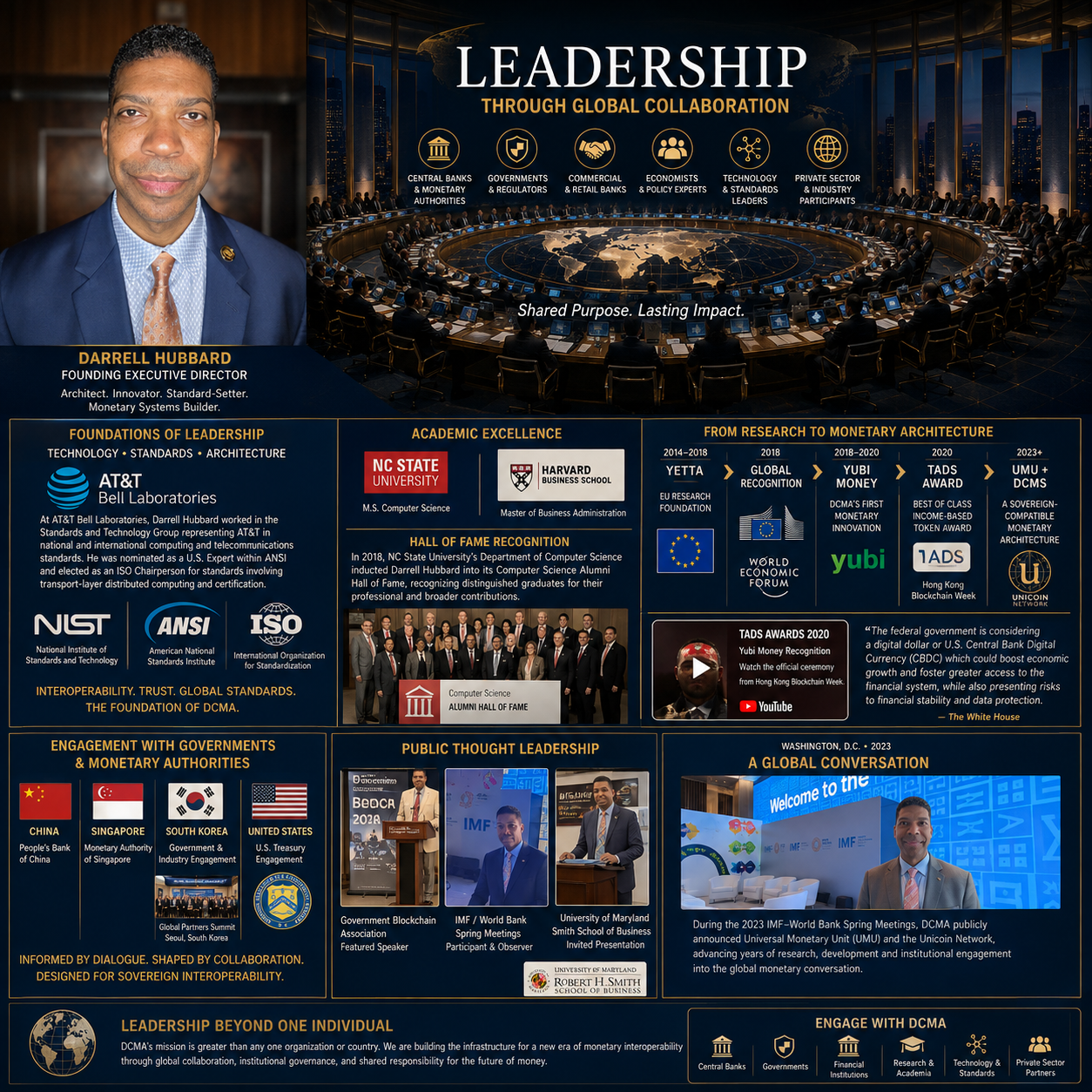
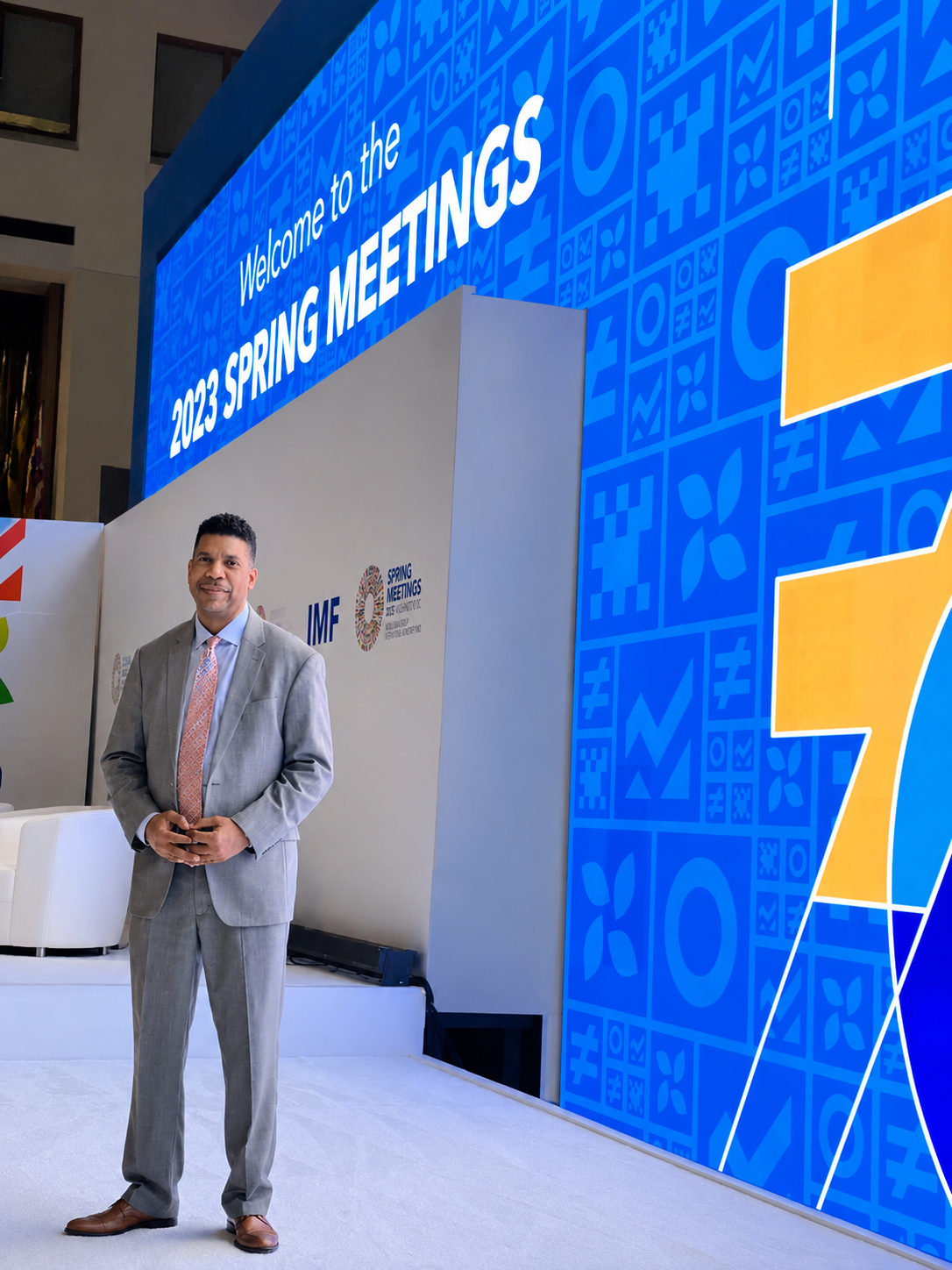
By the 2023 IMF–World Bank Spring Meetings, the work had progressed from experimental blockchain currency research to a broader institutional architecture. DCMA as the monetary authority, the Unicoin Network as the Digital Currency Monetary System, and UMU as its universal monetary commodity.
The moment represented a transition from research and iterative implementation into a more public global discussion about sovereign interoperability, regulated digital money and a new layer of international monetary infrastructure.
DCMA was founded by Darrell Hubbard, but its mission cannot be accomplished by one founder, one company or one country. Building monetary infrastructure capable of operating across sovereign jurisdictions requires participation from central banks, governments, regulators, commercial banks, economists, standards organizations, academics, technologists and private-sector institutions.
DCMA's leadership model reflects the architecture it seeks to build globally collaborative, institutionally governed, technically interoperable and respectful of monetary sovereignty.